
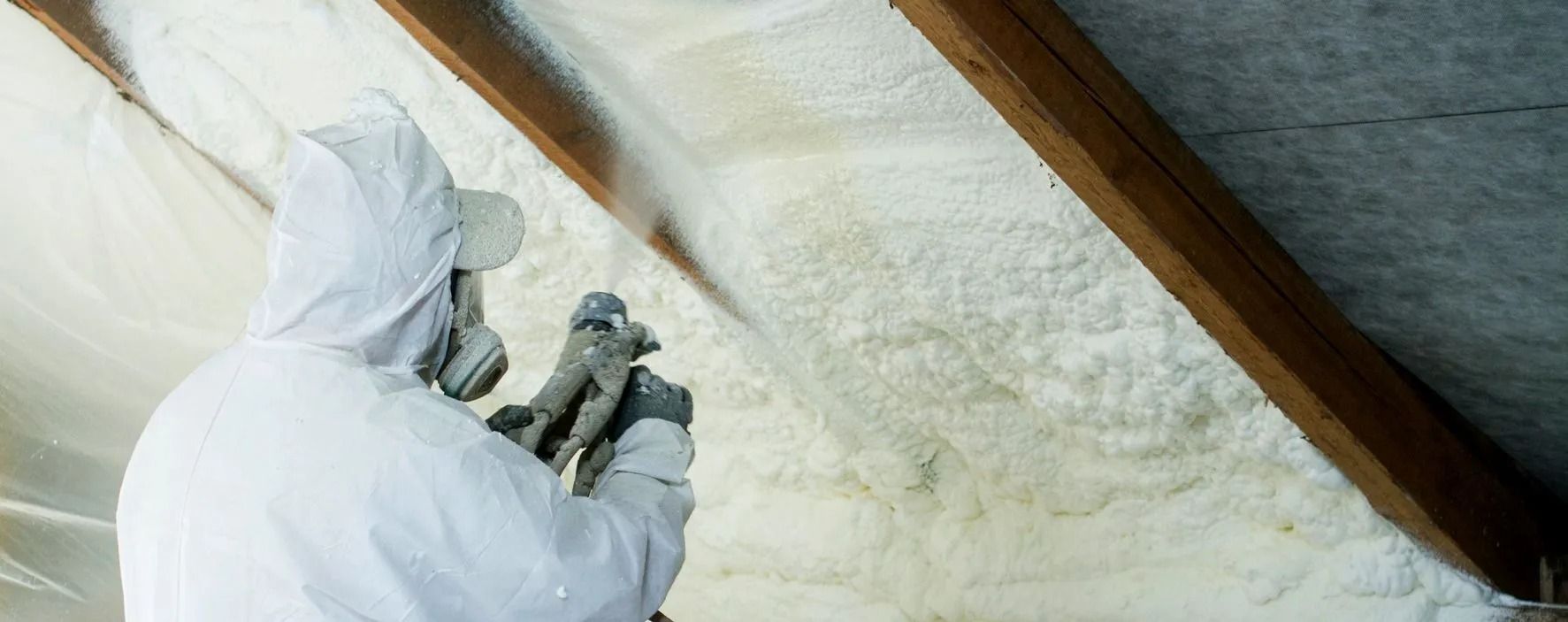
Residential Spray Foam
Improve your home's comfort and energy efficiency with residential spray foam insulation in Columbia, Dickson and Middle Tennessee. Free estimates from Volunteer FoamPros.
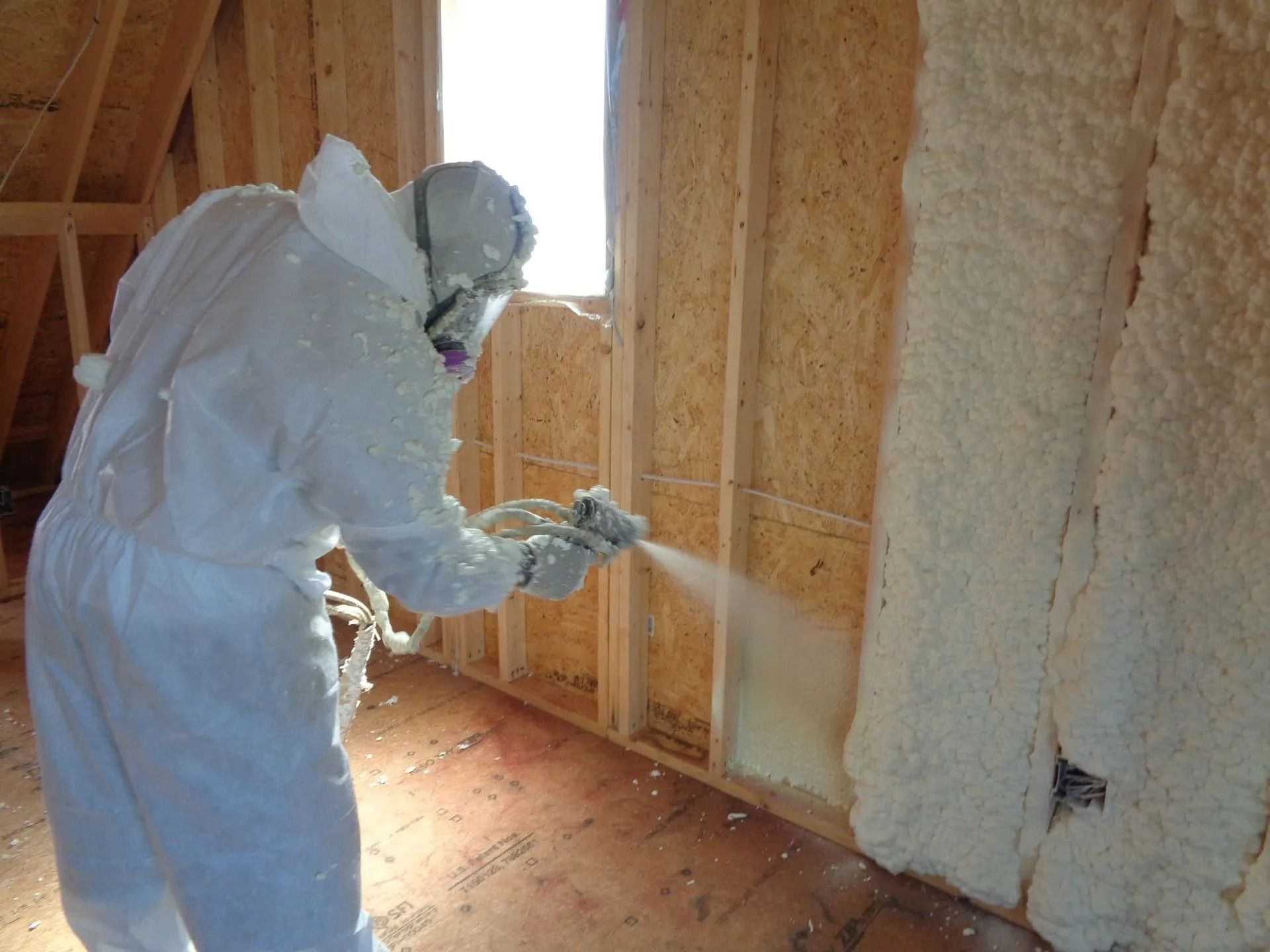
Spray foam goes on as a liquid and expands in place, so it fills the gaps, odd angles and around-the-pipe spaces that batts are always cut around. When it cures it is both the insulation and the air barrier, which is why a foamed house feels different to walk into rather than just cheaper to run.
Volunteer FoamPros installs residential spray foam across Columbia, Dickson and Middle Tennessee. Call (615) 979-6739 or request an estimate.
Open-Cell and Closed-Cell, and Where Each Belongs
We install both, and we do not pretend one of them is the answer to everything.
Open-cell foam is light and soft, expands a long way and is excellent at deadening sound. It suits interior walls, bedroom and bathroom partitions, and attic roof decks where you want a continuous air seal without paying for density you do not need.
Closed-cell foam is dense and rigid. It carries more R-value per inch, it stiffens the assembly it bonds to, and it does not let water through. That makes it right for crawl spaces, rim joists, metal buildings, and anywhere the wall has to deal with moisture or you are short on cavity depth.
A lot of houses end up with both: closed-cell where moisture and structure matter, open-cell where sound and cost do.
Where Spray Foam Goes In a House
- Attic roof decks, bringing the attic and any ductwork inside the conditioned envelope
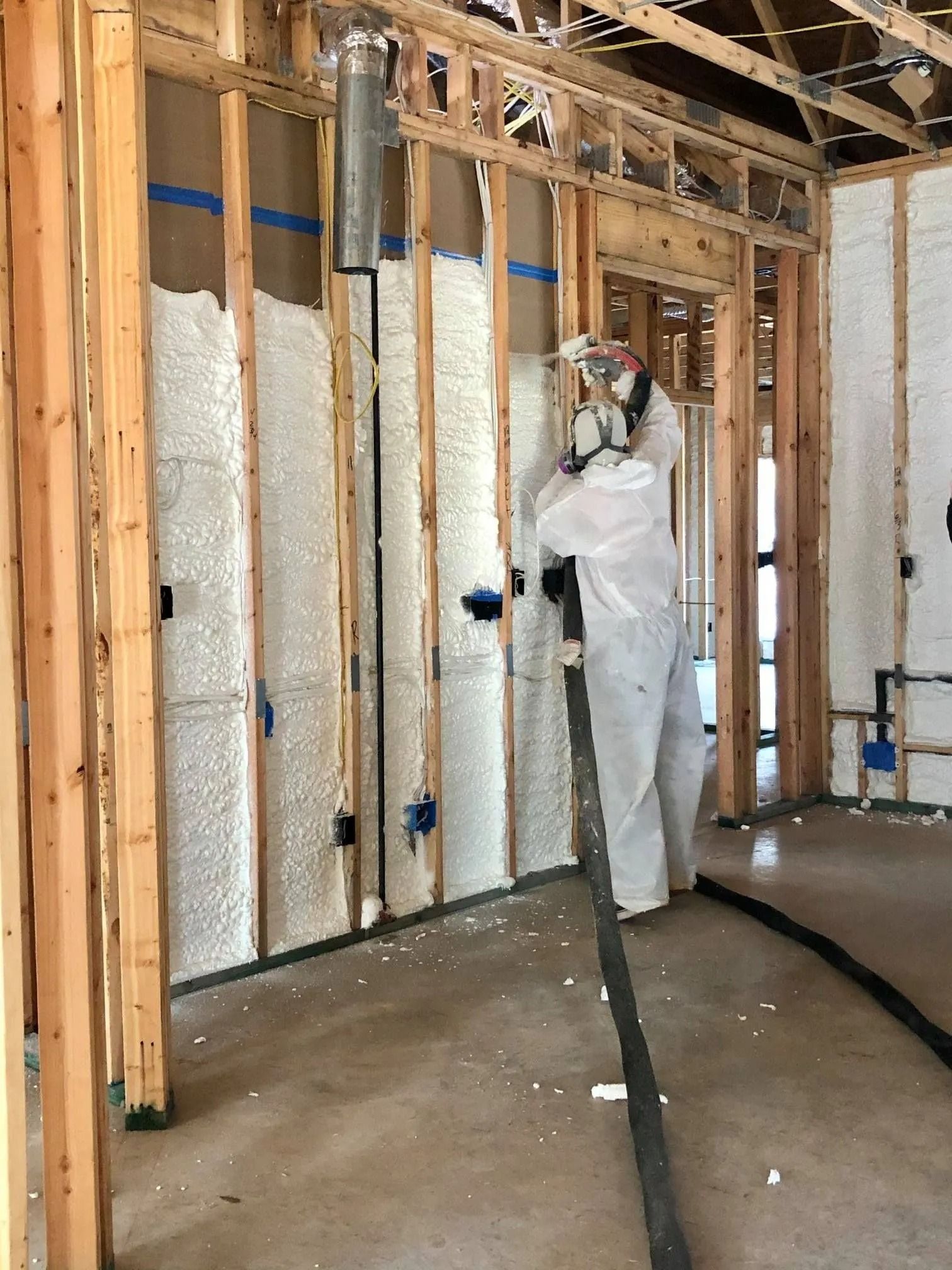
- Exterior walls on new builds and gut renovations
- Rim joists and band boards, one of the leakiest parts of most houses
- Crawl space walls, usually as part of encapsulation
- Garages, bonus rooms and additions that never heated or cooled properly
- Interior walls where sound between rooms is the point
What Changes After
The air sealing is what people notice first. Drafts stop, the rooms hold temperature between cycles, and the house gets quieter, both from outside noise and between rooms.
The energy side follows from that. Most of what a house loses is not conducted through the insulation, it is air moving through gaps that were never sealed. Foam closes that path. It also means the HVAC stops short-cycling to chase a temperature it can never hold.
Foam does not settle or sag over time the way loose materials can, and its R-value does not drift as the temperature swings.
Is My House a Candidate?
Usually yes, but the scope varies. New construction and gut renovations are the straightforward cases because the cavities are open. On a finished house we more often work the attic, the crawl space and the rim joists, which is where most of the loss is anyway and where we can get to without opening walls.
If the house has knob-and-tube wiring, active roof leaks or existing moisture damage, those get sorted first. We will say so at the estimate rather than foaming over a problem.
Serving Columbia, Dickson and Middle Tennessee
We install residential spray foam across Dickson, Williamson, Davidson, Hickman, Cheatham, Maury and Humphreys counties, including Columbia, Dickson, Burns, Franklin, Brentwood, Spring Hill, Nashville and White Bluff.