
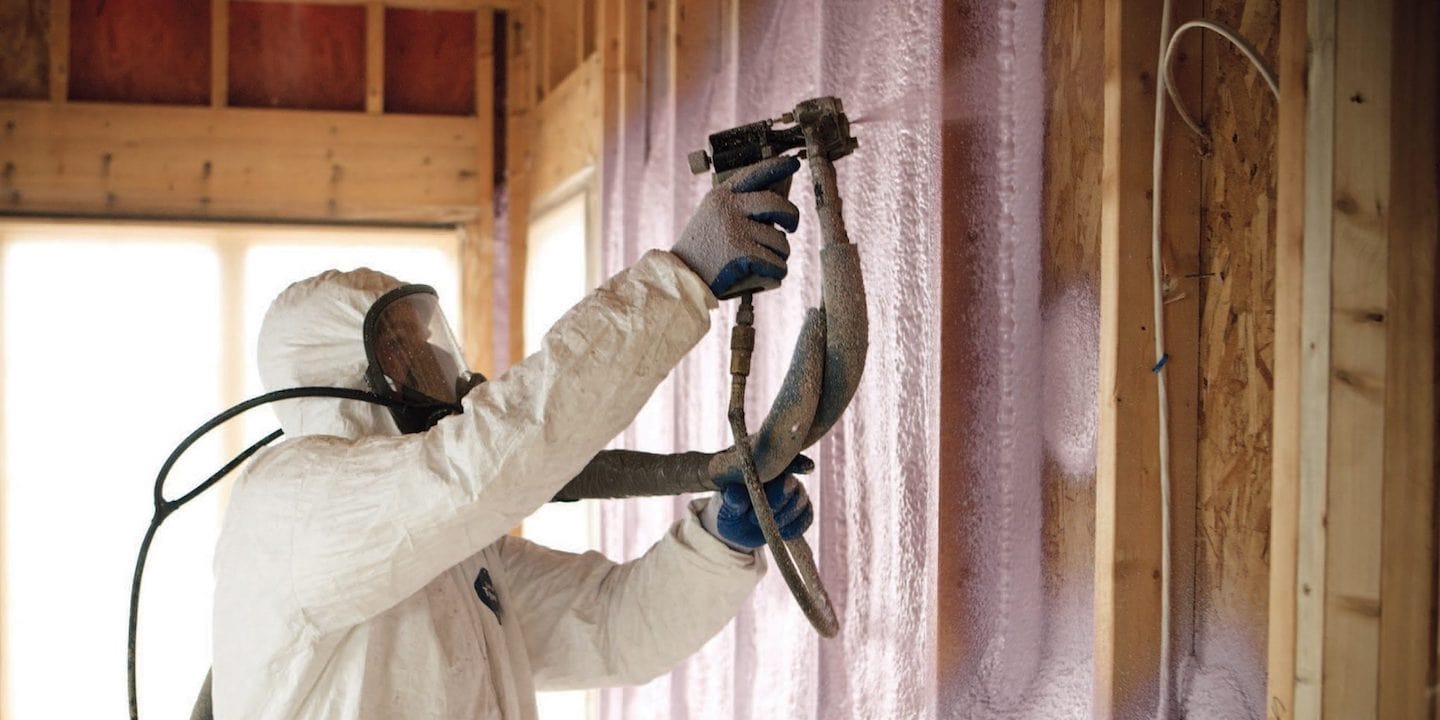
Advantages of Spray Foam Insulation Services for Energy Efficiency
How spray foam insulation cuts heating and cooling costs in Middle Tennessee homes, what it does that batts cannot, and when it is worth the money.
Most of the money a Middle Tennessee house wastes on heating and cooling does not leak through the insulation. It leaks around it. Air moves through the gaps at the top plates, the rim joist, the recessed lights and the attic hatch, and no amount of fibreglass in the bays stops it. Spray foam is the one common insulation that seals and insulates in the same pass, which is why it changes a power bill in a way adding more batts usually does not.
Volunteer FoamPros installs spray foam across Dickson, Columbia and the surrounding counties. Call (615) 979-6739 or request an estimate.
It Stops Air, Not Just Heat
Insulation is rated on R-value, which measures resistance to heat moving through a material. That rating assumes the air is still. In a real house it is not.
Spray foam expands after it leaves the gun and fills the shape it lands in. Around a pipe penetration, a wiring hole or an irregular rafter bay, it seals the opening rather than draping over it. Closed-cell foam goes further and blocks water vapour as well.
That air seal is where the savings come from. A tight envelope means the furnace and the air conditioner stop fighting a constant supply of outside air.
What That Does To The Bill
A sealed and insulated envelope holds its temperature between cycles, so the system runs less often and for shorter stretches. Two things follow:
- Lower monthly energy use. The equipment is doing less work for the same indoor temperature.
- Less wear on the HVAC. Fewer cycles and less run time means less mechanical strain on a system that is expensive to replace.
Savings depend on the house. An old farmhouse near Burns with a vented crawl space and no attic seal has far more to gain than a house built in the last ten years. Anyone quoting a fixed percentage before they have looked at your attic is guessing.

Where It Pays Off First In A Tennessee House
Our climate is hot and humid in summer and cold enough in winter to matter. Heat and moisture both move through the same weak points.
- The attic. The single biggest one. Hot attic air drives cooling load all summer.
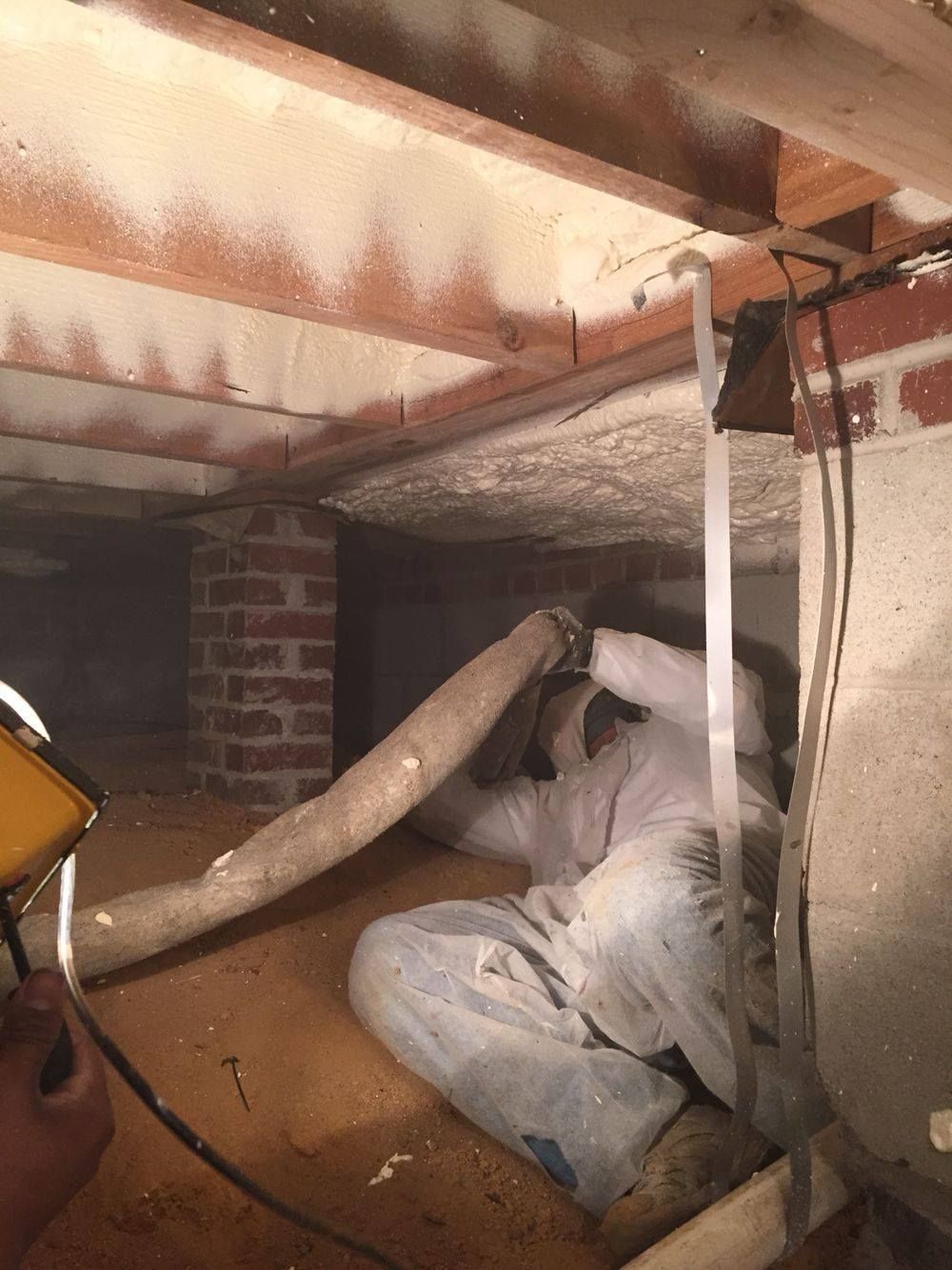
- The crawl space and rim joist. Cold floors in winter, damp air in summer, and a direct path into the rooms above. See crawl space insulation and crawl space encapsulation.
- Metal buildings and shops. Bare steel sweats. Closed-cell foam stops condensation on the underside of the panels.
- Knee walls and bonus rooms. The room over the garage that is never comfortable is almost always an air sealing problem.
Closed-Cell Or Open-Cell
They are different products for different jobs.
Closed-cell is dense and rigid. Higher R-value per inch, blocks vapour, adds stiffness to the assembly. It is the choice for crawl spaces, rim joists, metal buildings and anywhere moisture is in play.
Open-cell is lighter and softer. Lower R-value per inch, more expansion for the money, better at deadening sound. It works well in attics and interior walls where vapour control is not the issue.
Most houses end up with both, in different places. We pick per assembly, not per house.
The Side Effects People Notice First
Customers rarely call to say their R-value improved. They call about these:
- Rooms that used to run hot or cold now match the rest of the house
- The system stops short-cycling on the worst days
- Less dust and pollen indoors, because the air coming in is filtered instead of leaking in
- Quieter, especially with open-cell in the walls
- No musty smell rising out of the crawl space
Is It Worth The Price
Spray foam costs more up front than fibreglass. It is fair to ask whether the payback is real.
It usually is, in two cases. The first is a house with a genuine air leakage problem, which most older Middle Tennessee houses have. The second is an assembly where nothing else works well, such as a vented crawl space, a metal building or a cathedral ceiling.
Where it is not the right call, we say so. Some attics get more benefit per dollar from blown-in insulation over a sealed lid, and some wall cavities are fine with fiberglass batt. Full insulation means we install all of it, so we have no reason to push one product.
Why Installation Quality Decides The Result
Spray foam is mixed on site. The two components have to be at the right temperature and the right ratio when they hit the surface, and the thickness has to be right for the assembly. Get any of that wrong and you get foam that never fully cures, pulls away from the framing or falls short of the R-value it was sold as.
There is no fixing bad foam cheaply. It has to be cut out. That is the argument for using an installer who does this daily and stands behind it.
Serving Dickson, TN and Surrounding Areas
We install spray foam across Dickson County, Williamson County, Davidson County, Hickman County, Cheatham County, Maury County and Humphreys County, including Dickson, Burns, Charlotte, White Bluff, McEwen, Columbia, Franklin, Brentwood and Nashville.
Call (615) 979-6739 or request an estimate and we will tell you where your house is actually losing the money.