
The Key Benefits of Crawl Space Encapsulation for Homeowners
What crawl space encapsulation does for a Middle Tennessee home: drier air, warmer floors, less structural damage, and what it costs you to keep waiting.
The crawl space is the part of the house nobody looks at, and it is the part that decides how the rooms above it smell, feel and hold up. In Middle Tennessee, a vented crawl space spends most of the summer pulling warm humid air in over cool damp ground. That air condenses, the wood stays wet, and the result works its way upward into the house.
Encapsulation seals the space off from the ground and the outside air instead of trying to ventilate a problem that ventilation caused.
Volunteer FoamPros encapsulates crawl spaces across Dickson, Columbia and the surrounding counties. Call (615) 979-6739 or request an estimate.
Your House Breathes Through The Crawl Space
Air in a building moves upward. It leaves through the attic and the upper storey, and it is replaced by air pulled in from the lowest point available. In a house over a vented crawl space, that is the crawl space.
So whatever is under the floor is in the air you breathe. Damp ground, mould on the joists, fallen insulation, the smell of it all. This is why encapsulation is an air quality job as much as a moisture job.
What You Get
Mould needs moisture. Take the moisture out and the conditions it needs go away. Homeowners notice the musty smell in the hallway disappear first, usually within the first few weeks.
Cold floors in January are almost always outside air moving through the crawl space under the subfloor. Sealing the space and insulating the foundation walls brings it inside the building envelope, and the floor temperature comes up with it.
A system trying to dehumidify a constant supply of damp crawl space air runs longer than it needs to. Cut that supply and the run time drops.
Wood that stays damp does not stay sound. Sills, joists, girders and subfloor all soften over years of humid exposure, and fasteners corrode alongside them. This is the expensive part of the problem, because the repair costs far more than the encapsulation would have.
A sealed crawl space is dry and clean enough to store things in and walk through without dreading it.
An inspector's report that says the crawl space is sealed and dry removes a common bargaining point at closing.

What A Real Encapsulation Includes
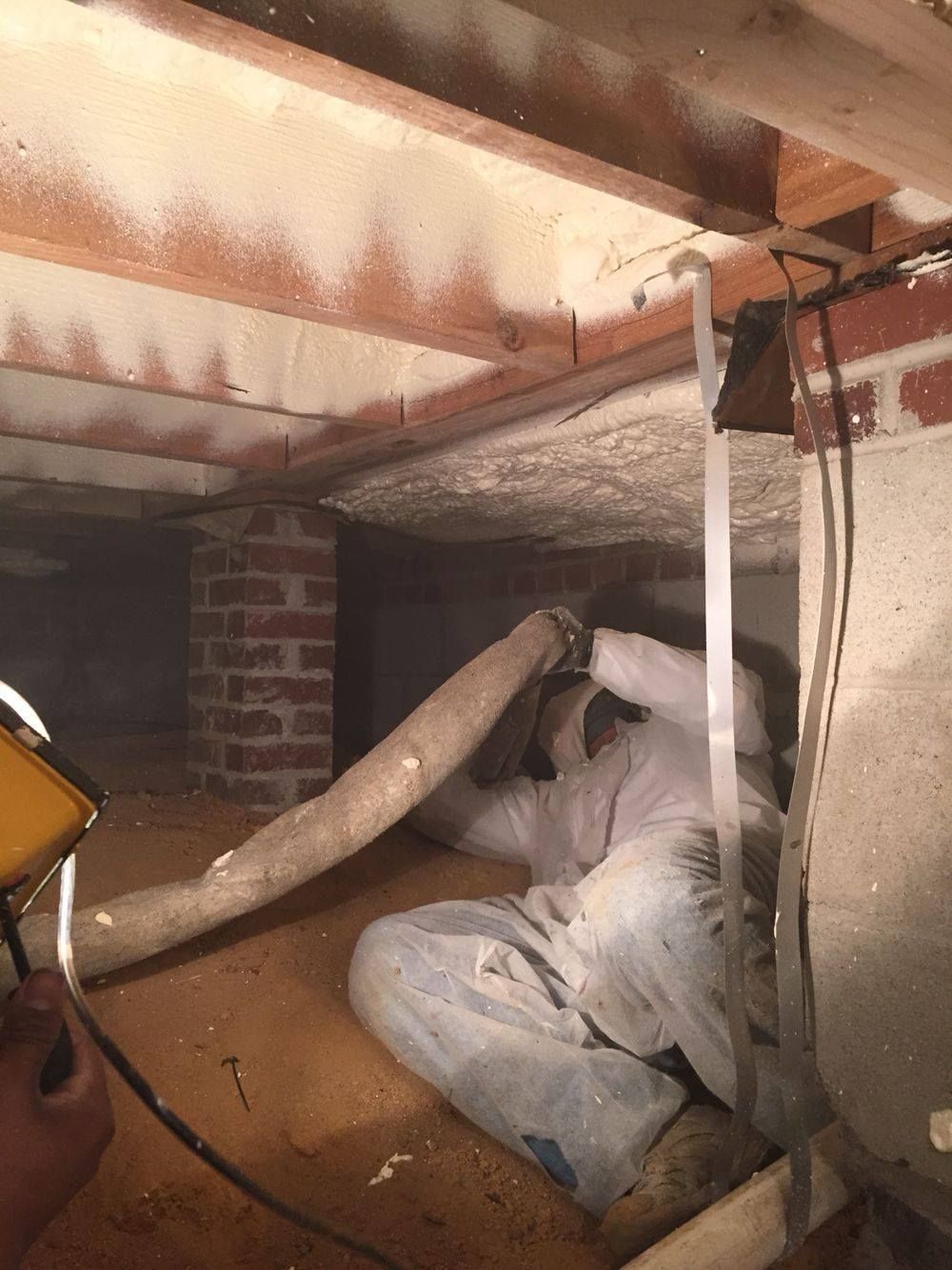
Encapsulation is a system, not a liner. A complete job covers the whole enclosure:
- Clean out. Old fallen insulation, debris and standing water come out first.
- Seal the ground. A heavy vapour barrier across the entire floor, run up the foundation walls, with seams and penetrations sealed.
- Close the vents. Once the space is sealed, outside vents are just the way humid air gets back in.
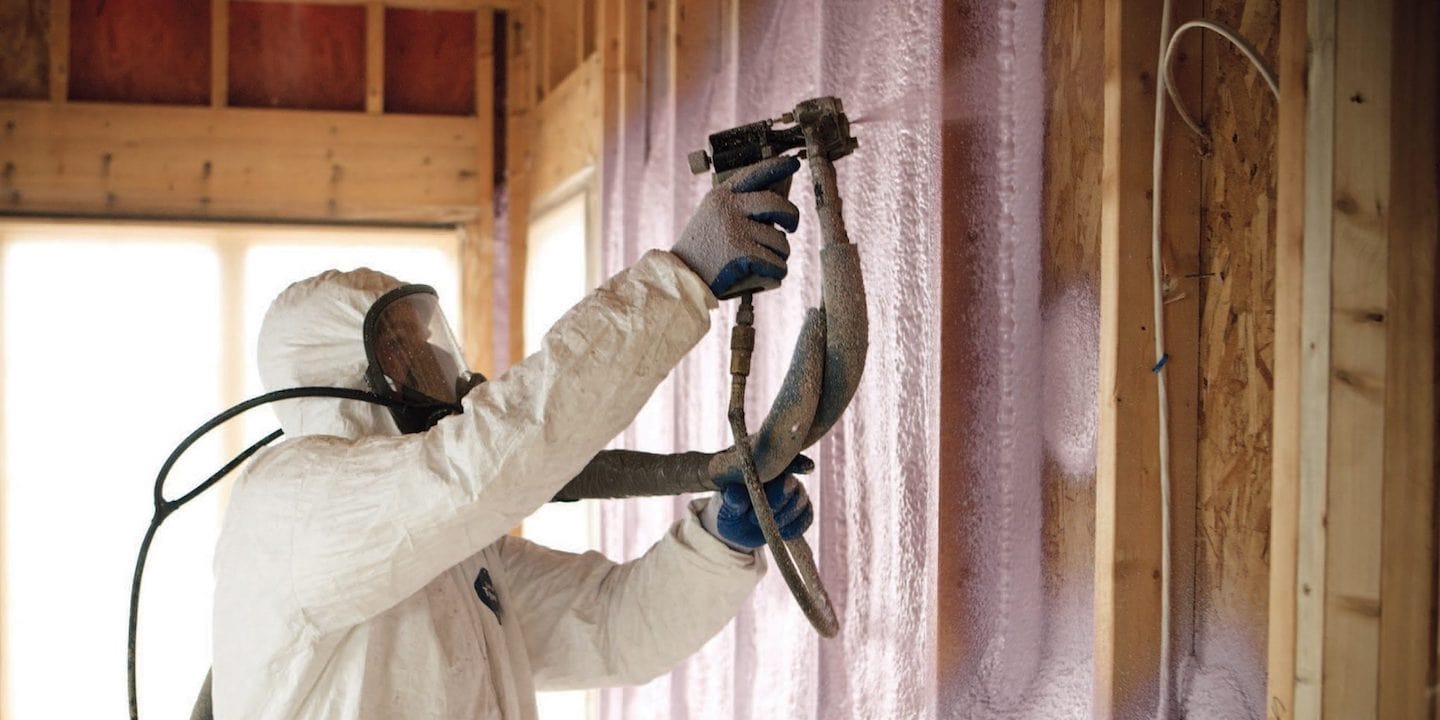
- Insulate. Closed-cell spray foam on the foundation walls brings the space inside the envelope. Where the floor is insulated instead, we do that.
- Handle the humidity. A sealed crawl space needs a plan, either a dehumidifier or conditioned air from the system.
Skip any one of those and the moisture path stays open. A plastic sheet laid on the dirt is not encapsulation, whatever it was sold as.
Signs Yours Needs It
- A musty or earthy smell in the house, worst in summer
- Cold or spongy floors
- Cupped, buckled or gapping hardwood
- Dark staining or visible mould on the joists and subfloor
- Insulation hanging down or lying on the ground
- Condensation on ducts or pipes under the house
- Indoor humidity higher than the thermostat setting explains
- Allergy symptoms or musty smelling clothes that have no other cause
One of these is worth a look. Three of them is a crawl space problem.
Encapsulation Or Crawl Space Insulation
They solve different problems.
Crawl space insulation is about heat. It targets cold floors and heat loss.
Encapsulation is about moisture and air.
If you insulate a wet crawl space without dealing with the water, you have wrapped the problem up rather than solved it. Where there is moisture, encapsulate first. On many houses we do both, in that order.
Why It Has To Be Done Right
Every crawl space is a different shape with different access, different drainage and a different reason it went wrong. The barrier has to be continuous, the wall attachment has to hold, and the humidity plan has to match the space. Gaps at a pier, an unsealed seam or a missed vent will undo the rest of the work quietly, over years.
We look at the whole space before quoting, and we tell you what we find, including when the answer is simpler and cheaper than encapsulation.
Serving Dickson, TN and Surrounding Areas
We encapsulate crawl spaces across Dickson County, Williamson County, Davidson County, Hickman County, Cheatham County, Maury County and Humphreys County, including Dickson, Burns, Charlotte, White Bluff, McEwen, Columbia, Franklin, Brentwood and Nashville.
Call (615) 979-6739 or request an estimate for a look at what is actually going on under your floor.